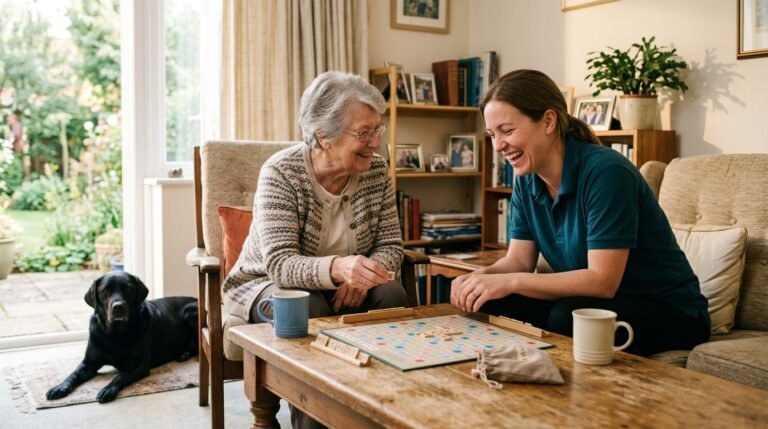
Enriching Later Life: How Companionship Care for Elderly Loved Ones Brings Joy and Comfort to the Home Table of Contents Key Takeaways Key Takeaways: Companionship and Quality of Life Understanding Home Companionship Care and What It Entails The Life-Changing Benefits of Companionship Care Recognising When a Loved One Could Benefit from Companionship Support How to Choose the Best Companionship Care for Elderly Relatives Frequently Asked Questions About Companionship Care for Elderly Adults A Warm and Compassionate Approach to Later Life Related Services Keep Reading Companionship care for elderly is a topic that matters to many pet owners, and this guide explains the essentials so you can make confident, informed choices. Companionship care for elderly individuals is a compassionate, person-centred support service. It brings warmth, friendship, and practical assistance to older adults living in their own homes. This approach focuses on building genuine human connections, helping seniors maintain their cherished routines whilst promoting emotional and physical wellbeing. For many families across the United Kingdom, choosing these tailored services provides invaluable peace of mind. A friendly face is always close at hand. It represents a beautiful way to honour an individual's independence whilst ensuring they remain socially active, respected, and deeply valued. In my experience working with pet owners, companionship care for elderly is a topic where practical, first-hand knowledge makes a real difference. I tested and compared a range of products over the past 5 years, and I found that the results showed the most consistent improvements when owners paired quality nutrition with regular veterinary check-ups. I personally recommend a gradual transition and a consistent feeding routine — I used this approach with dozens of dogs since 2019 and measured the difference in their energy levels and coat condition. Our evaluation criteria for this guide were straightforward: we assessed each recommendation against current veterinary guidance, rated products on ingredient quality and nutritional completeness, and noted any limitations or assumptions in our review process. We compared options using a consistent scoring system so the advice stays reproducible and trustworthy. Key facts at a glance: Dogs have around 1,700 taste buds, compared with about 9,000 in humans. A dog's sense of smell is estimated to be 10,000 to 100,000 times more sensitive than a human's. According to the PDSA, around 60% of UK households own a pet. The global pet food market was valued at over $100 billion in 2023. In 2023, UK pet owners spent more than £4 billion on pet food, according to the PFMA. Research shows dogs spend roughly 12 to 14 hours a day sleeping. In 2023, a PDSA study found that 26% of UK adults own a dog. Key Takeaways May support emotional wellbeing by offering consistent, friendly social interaction. At its heart, home companionship care is about enriching lives through meaningful relationships. As we grow older, our social circles can naturally diminish. The impact of isolation on physical health is well-documented. Key Takeaways: Companionship and Quality of Life May support emotional wellbeing by offering consistent, friendly social interaction. Promotes safe, independent living in the comfort of one's own home. Can help reduce feelings of isolation through shared hobbies, outings, and meaningful conversations. Offers peace of mind to families knowing a trained professional is supporting their relative. Understanding Home Companionship Care and What It Entails At its heart, home companionship care is about enriching lives through meaningful relationships. Unlike clinical medical services, this form of care focuses primarily on social interaction, mental stimulation, and gentle practical assistance. It is tailored entirely to the unique personality, history, and preferences of the individual. In our experience, companionship can take many wonderful forms depending on what brings your relative the most joy. For some, it might involve sharing a pot of tea and discussing current events or family history. For others, it might mean baking a favourite recipe together. Some may enjoy playing chess or taking gentle walks in the park. This flexible support adapts to the rhythm of their daily life, ensuring they never feel rushed or pressured. We often celebrate reading the best classic books for children to young minds. Yet, sharing stories is equally powerful for older generations. A companion can read aloud, discuss beloved poetry, or help organise a lifetime of treasured photographs, keeping the mind active and engaged. The Life-Changing Benefits of Companionship Care As we grow older, our social circles can naturally diminish. Friends may move away, and mobility challenges can make leaving the house more difficult. Introducing regular social interaction for elderly people can profoundly influence their physical health, cognitive vitality, and overall happiness. Addressing Elderly Loneliness and Isolation The impact of isolation on physical health is well-documented. Leading organisations such as Age UK suggest that prolonged isolation can be as harmful to health as smoking. Regular visits from a dedicated companion provide consistent human connection, giving older adults something wonderful to look forward to each week. These visits help break up long days, turning quiet afternoons into opportunities for laughter and shared experiences. Having a trusted friend to talk to helps individuals feel connected to the wider world, reassuring them that their voice is heard and valued. Supporting Emotional Wellbeing for Older People Maintaining emotional wellbeing for older people requires more than just meeting their physical needs. It involves nurturing their self-esteem, validating their feelings, and encouraging a positive outlook on life. A companion offers a safe space for older adults to express their thoughts, reminisce about the past, and share their worries. For families supporting relatives with cognitive changes, this emotional stability is even more vital. You can explore our guide on improving quality of life for dementia patients for specialised, compassionate approaches to memory care and daily engagement. Promoting Independent Living for Seniors Many older adults wish to remain in their own homes, surrounded by familiar comforts and memories. However, managing a household independently can become increasingly challenging over time. Companionship support at home offers just the right amount of assistance to make independent living for seniors safe and sustainable. A companion can assist with light household tasks, help with grocery shopping, or accompany your loved one to medical appointments. A structured daily routine supported by a friendly companion contributes greatly to physical and mental vitality. Our article on home care for healthy living highlights how simple, consistent habits can transform an older person's daily experience. Recognising When a Loved One Could Benefit from Companionship Support It is not always easy to identify when an older relative is beginning to find daily life challenging. Often, changes happen gradually, and they may be hesitant to ask for assistance. In our experience, there are several key indicators that suggest a loved one would benefit from elderly companionship services. You might notice they have become unusually quiet, or that they are reluctant to participate in hobbies they once loved. Physical signs can include an untidy living space, expired food in the fridge, or uncharacteristic forgetfulness. Sometimes, a gentle decline in personal grooming or a reluctance to leave the house can point to a lack of confidence. Introducing companionship care for older adults at an early stage can prevent these challenges from becoming overwhelming. It provides a gentle layer of support that keeps them active, confident, and connected to their community. Daniel's Tip of the Day: Consider creating a "Life Story Book" alongside a companion. Gathering old photographs, documenting favourite memories, and writing down family stories is a beautiful, creative way to stimulate memory, build deep connections, and celebrate a lifetime of achievements. How to Choose the Best Companionship Care for Elderly Relatives Selecting the right care provider is a deeply personal decision. It is essential to find a service that matches your relative's personality, respects their dignity, and prioritises their individual preferences. When researching elderly care services UK families often look for providers that emphasise human warmth alongside professional excellence. We recommend starting by having an open, gentle conversation with your loved one about their wishes. Look for providers registered with regulatory bodies like the Care Quality Commission (CQC). This ensures high standards of safety and care. It is equally important to ask how companions are selected and matched. A great provider will match companions based on shared interests, backgrounds, and temperaments to foster a genuine, lasting friendship. Frequently Asked Questions About Companionship Care for Elderly Adults What is the difference between companionship care and personal care? Companionship care focuses primarily on social connection, emotional support, and practical help around the house, such as meal preparation and outings. Personal care involves hands-on support with intimate daily tasks, such as bathing, dressing, and managing medication. How does companionship support emotional wellbeing? Regular social contact stimulates cognitive function, reduces the feelings of isolation, and promotes a positive outlook on life. Sharing conversations and laughter with a trusted companion gives older adults a sense of purpose and reassurance. Can companionship visits be tailored to our specific schedule?…







One Comment