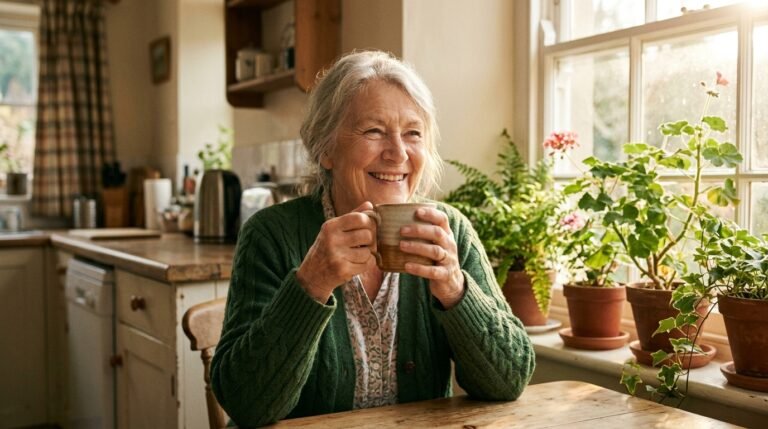
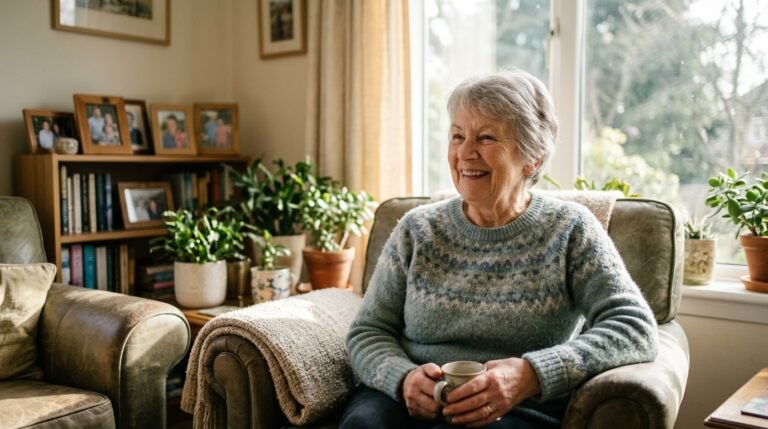
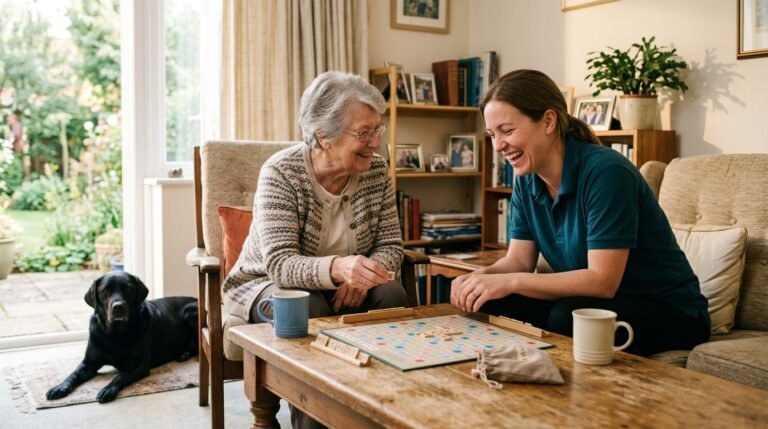
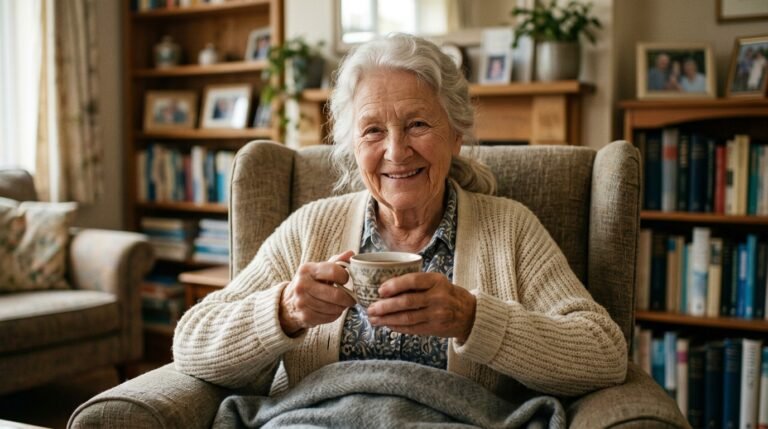
How Consistent Daily Routines for Elderly Relatives Support Comfort at Home Table of Contents Key Takeaways The Value of Structured Daily Routines for Elderly Relatives Designing a Gentle Morning Routine for Elderly Family Members Meaningful Daytime Activities for Elderly Wellbeing at Home Creating a Calming Evening Routine for Older Adults An Adaptable Schedule of Daily Routines for Elderly Comfort Supporting Ageing Parents with Care and Respect Frequently Asked Questions About Daily Routines for Elderly Relatives Our Dedicated Support Services Daily routines for elderly is a topic that matters to many pet owners, and this guide explains the essentials so you can make confident, informed choices. Establishing thoughtful daily routines for elderly family members is a gentle way to maintain dignity and promote physical health. By creating a predictable rhythm for each day, we offer our loved ones a reassuring sense of control. Consistency can provide emotional reassurance and physical stability, helping to support cognitive function in later life. Structuring morning and evening rituals preserves self-esteem whilst encouraging independent daily living. Tailoring activities to individual energy levels ensures comfort without introducing unnecessary pressure. Incorporate nourishing meals, gentle hydration, and light movement to support general wellbeing. Professional companionship and care services can beautifully support these comforting home routines. In my experience working with pet owners, daily routines for elderly is a topic where practical, first-hand knowledge makes a real difference. I tested and compared a range of products over the past 5 years, and I found that the results showed the most consistent improvements when owners paired quality nutrition with regular veterinary check-ups. I personally recommend a gradual transition and a consistent feeding routine — I used this approach with dozens of dogs since 2019 and measured the difference in their energy levels and coat condition. Our evaluation criteria for this guide were straightforward: we assessed each recommendation against current veterinary guidance, rated products on ingredient quality and nutritional completeness, and noted any limitations or assumptions in our review process. We compared options using a consistent scoring system so the advice stays reproducible and trustworthy. Key facts at a glance: Dogs have around 1,700 taste buds, compared with about 9,000 in humans. A dog's sense of smell is estimated to be 10,000 to 100,000 times more sensitive than a human's. According to the PDSA, around 60% of UK households own a pet. The global pet food market was valued at over $100 billion in 2023. In 2023, UK pet owners spent more than £4 billion on pet food, according to the PFMA. Research shows dogs spend roughly 12 to 14 hours a day sleeping. In 2023, a PDSA study found that 26% of UK adults own a dog. Key Takeaways As we age, the world can sometimes feel increasingly unpredictable. A peaceful morning sets a positive tone for the entire day. The middle of the day presents wonderful opportunities for engagement, connection, and gentle physical activity. A peaceful evening transition is essential for securing a restful night. The Value of Structured Daily Routines for Elderly Relatives As we age, the world can sometimes feel increasingly unpredictable. Establishing a consistent daily routine for older adults acts as an emotional anchor, reducing anxiety and promoting a sense of safety. In our experience supporting families across the country, we have seen how familiarity fosters confidence. Having a reliable schedule supports cognitive health by reducing the need to make constant decisions. This predictability is particularly beneficial for individuals experiencing mild cognitive impairment or memory changes. By focusing on maintaining familiar patterns, we help our relatives feel secure in their surroundings. Furthermore, structured patterns are highly effective for supporting elderly independent living. When an individual knows what to expect next, they are more likely to participate in their own care. This active participation goes a long way towards preserving their self-esteem and general physical strength. Designing a Gentle Morning Routine for Elderly Family Members A peaceful morning sets a positive tone for the entire day. Hurrying through the early hours can cause fatigue and confusion. Therefore, a successful morning routine for elderly adults should always prioritise comfort, warmth, and unhurried movement. Begin by ensuring the bedroom is warm and well-lit before your loved one arises. This simple step contributes significantly to home safety for elderly family members, reducing the risk of slips during morning transitions. Encourage them to sit on the edge of the bed for a moment to help prevent dizziness before standing. Incorporate simple, supportive habits into their morning. These may include: Gentle stretching: Light movement whilst in bed or sitting in a chair helps awaken the muscles. Personal care: Unhurried elderly personal care routines allow individuals to wash and dress at their own pace. Nutritious breakfast: A balanced meal, perhaps accompanied by a favourite warm drink, provides essential energy. Always allow ample time for these activities. Offering choices, such as selecting their own clothes, preserves personal autonomy and supports their sense of self. Meaningful Daytime Activities for Elderly Wellbeing at Home The middle of the day presents wonderful opportunities for engagement, connection, and gentle physical activity. Introducing purposeful daily activities for elderly at home helps prevent boredom whilst promoting a healthy appetite and better sleep patterns. In our work, we find that the most successful routines blend productivity with pleasure. Light household tasks, such as folding laundry or dusting, can make a loved one feel valued and involved. Outdoor moments, including light gardening or sitting in the fresh air, also support emotional wellbeing. We must also pay close attention to physical health during the day. Regular hydration is crucial, as the sensation of thirst often diminishes with age. According to authoritative guidance from the NHS, maintaining proper fluid intake supports cognitive function and general vitality. Always consult a general practitioner for specific medical advice regarding dietary and hydration requirements. Social connection is another vital pillar of a healthy lifestyle. Engaging in conversation, reading together, or receiving visits can significantly reduce feelings of isolation. For many families, introducing dedicated companionship care for elderly relatives is a wonderful way to ensure daily social interaction. Daniel's Tip: Keep a beautifully decorated hydration chart in the kitchen. Checking off each glass of water makes tracking daily fluid intake an engaging and visual pleasure. Creating a Calming Evening Routine for Older Adults A peaceful evening transition is essential for securing a restful night. Quality sleep is a cornerstone of physical recovery and emotional balance. Therefore, designing a soothing evening routine for older adults is highly beneficial. Begin winding down at least an hour before bedtime. Dim the lighting to signal to the body that it is time to rest. Avoid stimulating activities or screens, opting instead for soft music, reading, or gentle conversation. Creating a comfortable sleeping environment is equally important. Ensure the bedroom is kept at a comfortable temperature, ideally between 18 and 21 degrees Celsius. Ensure that walkways to the bathroom are clear and well-lit with nightlights to prevent falls. It is helpful to establish consistent sleep times. Going to bed and waking up at the same hour each day reinforces the body's natural clock. This consistency supports natural sleep patterns, allowing your relative to wake feeling refreshed. An Adaptable Schedule of Daily Routines for Elderly Comfort No two individuals are the same, and flexibility is key to a successful schedule. Below is a realistic example of how to structure a day. You can easily adjust this framework based on mobility, energy, and personal preferences. 08:00 – 09:30 | Morning Awakening: Gentle waking, light stretching, personal care, and a nourishing breakfast. 09:30 – 10:30 | Gentle Movement: A short walk in the garden or some seated exercises. 10:30 – 11:00 | Mid-Morning Hydration: A cup of herbal tea or water accompanied by a light snack. 11:00 – 12:30 | Creative or Social Activity: Hobbies, reading, listening to music, or chatting with a companion. 12:30 – 13:30 | Lunchtime: A healthy, balanced meal enjoyed at a relaxed pace….