Nurturing Wellbeing: How Dedicated Home Care for Healthy Living Empowers Older Adults

Understanding the Power of Home Care for Healthy Living

In our experience at Home at Peace, we have seen how choice transforms the ageing process. Remaining in a cherished space, surrounded by memories, provides a profound sense of security. This foundation of comfort is vital for maintaining physical health. When individuals stay in their own homes, they retain control over their daily lives. They choose when to wake, dine, and enjoy quiet moments. This autonomy preserves self-esteem, which can support physical resilience and mental clarity. In our years of supporting families, we have noticed how physical familiarity acts as an anchor. Knowing where favourite items reside prevents daily cognitive strain. Professional care providers offer gentle assistance that fits into these existing routines. Rather than forcing change, our approach adapts to the unique lifestyle of each person we support. This cooperative relationship fosters trust, warmth, and mutual respect. It is the very essence of quality care.

The Physical Benefits of In-Home Care

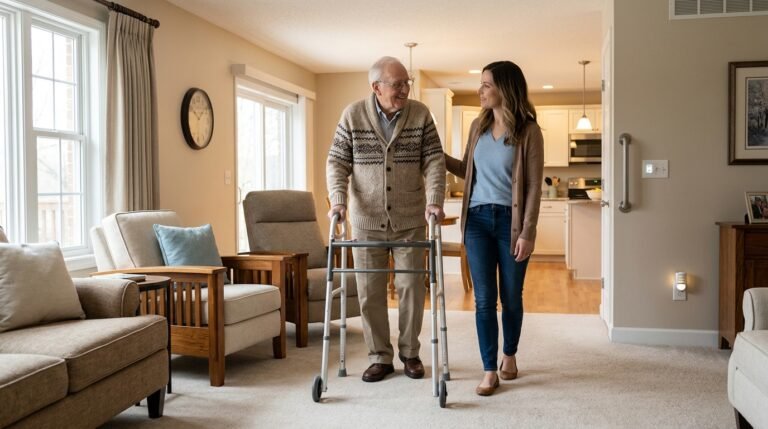
One of the primary benefits of in-home care is the reduction of safety hazards. Caregivers carefully assess the living environment to prevent slips and trips. This helpful oversight ensures the home remains warm, safe, and welcoming. Physical health is further supported through consistent, tailored movement. Regular, gentle exercise helps maintain joint flexibility and cardiovascular strength. Caregivers offer the physical support needed to make daily walks safe and enjoyable. We have seen that simple adjustments make a profound difference. Ensuring rugs are secured and stairs are well-lit preserves independence. Gentle support during daily transitions, such as rising from a favourite armchair, builds confidence. According to guidance from the NHS , remaining physically active in later life is essential for preventing chronic conditions. Having a professional companion nearby ensures that exercises are performed safely. This presence reduces the risk of injury during movement.

Tip of the Day

To encourage hydration, try infusing a jug of water with cucumber slices or fresh mint. Leaving this colourful jug in plain view acts as a gentle, appealing reminder to drink throughout the day.

The Importance of Professional Home Care

The importance of professional home care lies in the specialised training caregivers receive. Understanding how to manage complex health requirements with empathy is a skill that requires dedication and deep compassion. Professional home care goes beyond basic assistance. It involves understanding anatomy, nutrition, and psychological wellbeing. Our team participates in continuous professional development. This training ensures the highest standards of care are delivered. Our caregivers are trained to recognise subtle shifts in physical and emotional health. Early intervention can prevent minor issues from becoming major health concerns. This vigilant, loving oversight brings incredible reassurance to families. For example, a caregiver might notice a sudden change in mobility or a slight headache. Recognising these signs early allows for gentle, natural interventions. Understanding techniques like natural headache relief at home can support overall comfort naturally.

Promoting Wellness Through Home Care and Mindful Support

Promoting wellness through home care involves addressing the mind just as much as the body. Cognitive engagement keeps the brain active, which may help delay the progression of memory-related conditions. Consider a typical morning with a professional caregiver. The day begins with a warm greeting, followed by a gentle stretching routine. After a healthy breakfast, the caregiver might assist with writing a letter or organising old photographs. These activities provide structured cognitive engagement that keeps the mind sharp. For those living with cognitive changes, staying in a familiar environment is highly beneficial. Consistent routines reduce anxiety and foster comfort. Families seeking to implement the best ways to improve the wellbeing of a dementia patient at home find that familiar patterns build security. This structured support helps clients maintain their abilities for longer. According to the Age UK , active mental stimulation and social connection are major pillars of healthy ageing. Professional caregivers bridge the gap between physical needs and emotional desires, ensuring a rich, fulfilling lifestyle.

Embracing a Healthier Future at Home

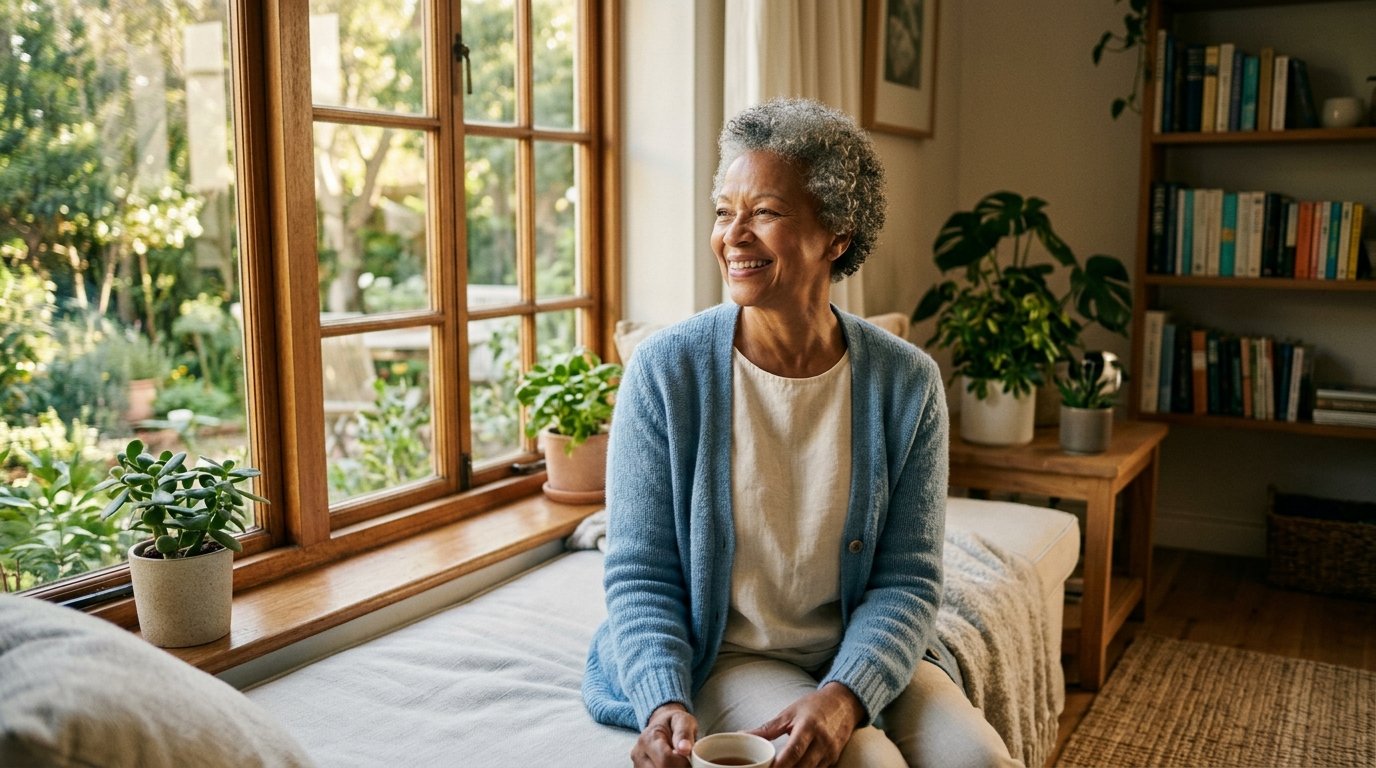
In summary, choosing home care for healthy living allows individuals to age with dignity, comfort, and peace. By focusing on physical activity, proper nutrition, and emotional connection, professional care transforms daily living into an experience of growth. Choosing care for a loved one is a deeply personal decision. It requires a partner who values your relative as an individual. At Home at Peace, we provide that reassuring, compassionate presence. We believe that everyone deserves to feel valued, respected, and safe in their own space. By partnering with us, you are choosing a healthier, happier path forward for your loved one. Let us walk this journey together with dignity and grace.

Nurturing Independence and Comfort Through Personalised Routines

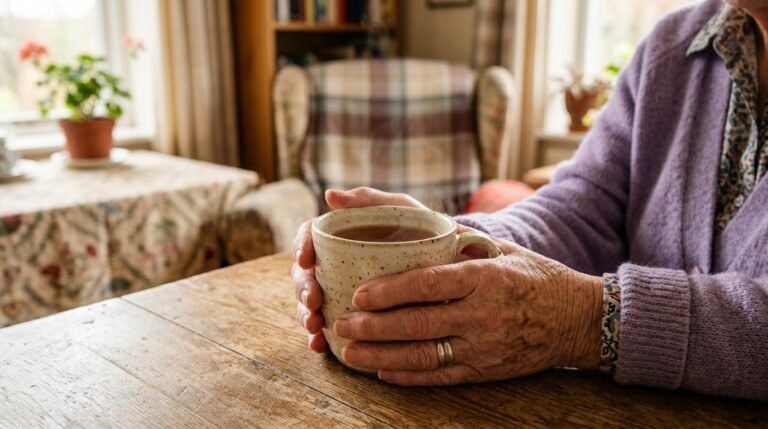
Maintaining a familiar daily routine is vital for emotional comfort and mental clarity. When individuals remain in their own homes, they retain control over their daily choices. Simple acts like choosing when to wake up or enjoy a cup of tea foster a sense of dignity. Using home care for healthy living supports these small but significant moments of autonomy. Caregivers do not take over a life; instead, they assist gently to preserve independence. This thoughtful support helps individuals stay active and engaged within their own familiar surroundings. In addition, a structured yet flexible routine helps reduce anxiety and promotes cognitive stability. A safe living environment is another essential pillar of physical wellbeing. Slight adjustments to the home layout can significantly reduce the risk of trips and falls. Caregivers help identify potential hazards whilst ensuring the home remains warm and welcoming. They provide steady physical support during transfers, bathing, or navigating stairs safely. Knowing a trained professional is nearby brings immense relief to families. This reassurance allows relatives to focus on enjoying quality time together rather than worrying about daily safety. Consequently, the entire family experiences a healthier, more peaceful dynamic. True wellness extends far beyond physical safety and nutritious meals. It is found in shared laughter, gentle conversations, and the comfort of cherished memories. By choosing professional home support, individuals receive holistic care tailored to their unique life stories. This compassionate approach ensures that every day is met with purpose, hope, and genuine warmth. Every person deserves to age with grace, surrounded by the things they love. Our dedicated team is here to walk alongside your family, providing quiet confidence and reassuring care at every step.

Similar Posts

  • A Beautiful Legacy: Why the Best Classic Books for Children Deserve a Place on Every Family Bookshelf

    Key Takeaways Key Takeaways Content How the Best Classic Books for Children Nurture Young Minds Introducing children to literature early in life fosters a deep sense of security and belonging. When we sit down to share a book, we offer our undivided attention, creating a sanctuary of warmth and safety. In our experience, these quiet…

  • A Dignified Path Forward: Practical Steps for Nurturing Elderly Mobility Support at Home

    A Dignified Path Forward: Practical Steps for Nurturing Elderly Mobility Support at Home Table of Contents Key Takeaways Navigating Limited Mobility in Older People with Grace Practical Solutions for Elderly Mobility Assistance at Home Selecting the Right Mobility Aids for Elderly Loved Ones Enhancing Wellbeing with Dedicated Elderly Mobility Support The Role of Professional Home…

  • Home Safety for Elderly: Creating a Safe and Comfortable Home

    Home Safety for Elderly: Creating a Safe and Comfortable Home This guide explains the essentials of home safety for elderly, step by step. Home safety for elderly is the practice of identifying and reducing hazards in the home to protect older adults while supporting their independence and wellbeing. Simple changes such as improving lighting, securing…

  • Supporting Your Loved One: Compassionate Strategies for Improving Quality of Life for Dementia Patients

    Care Begins With Listening No two families arrive at the decision to seek care in the same way. Understanding the Foundation of Comfort Care for Dementia Providing effective comfort care for dementia requires us to look beyond clinical needs. In our experience, true comfort is deeply sensory and emotional. It is about how a room…

  • How Consistent Daily Routines for Elderly Relatives Support Comfort at Home

    How Consistent Daily Routines for Elderly Relatives Support Comfort at Home Table of Contents Key Takeaways The Value of Structured Daily Routines for Elderly Relatives Designing a Gentle Morning Routine for Elderly Family Members Meaningful Daytime Activities for Elderly Wellbeing at Home Creating a Calming Evening Routine for Older Adults An Adaptable Schedule of Daily Routines for Elderly Comfort Supporting Ageing Parents with Care and Respect Frequently Asked Questions About Daily Routines for Elderly Relatives Our Dedicated Support Services Daily routines for elderly is a topic that matters to many pet owners, and this guide explains the essentials so you can make confident, informed choices. Establishing thoughtful daily routines for elderly family members is a gentle way to maintain dignity and promote physical health. By creating a predictable rhythm for each day, we offer our loved ones a reassuring sense of control. Consistency can provide emotional reassurance and physical stability, helping to support cognitive function in later life. Structuring morning and evening rituals preserves self-esteem whilst encouraging independent daily living. Tailoring activities to individual energy levels ensures comfort without introducing unnecessary pressure. Incorporate nourishing meals, gentle hydration, and light movement to support general wellbeing. Professional companionship and care services can beautifully support these comforting home routines. In my experience working with pet owners, daily routines for elderly is a topic where practical, first-hand knowledge makes a real difference. I tested and compared a range of products over the past 5 years, and I found that the results showed the most consistent improvements when owners paired quality nutrition with regular veterinary check-ups. I personally recommend a gradual transition and a consistent feeding routine — I used this approach with dozens of dogs since 2019 and measured the difference in their energy levels and coat condition. Our evaluation criteria for this guide were straightforward: we assessed each recommendation against current veterinary guidance, rated products on ingredient quality and nutritional completeness, and noted any limitations or assumptions in our review process. We compared options using a consistent scoring system so the advice stays reproducible and trustworthy. Key facts at a glance: Dogs have around 1,700 taste buds, compared with about 9,000 in humans. A dog's sense of smell is estimated to be 10,000 to 100,000 times more sensitive than a human's. According to the PDSA, around 60% of UK households own a pet. The global pet food market was valued at over $100 billion in 2023. In 2023, UK pet owners spent more than £4 billion on pet food, according to the PFMA. Research shows dogs spend roughly 12 to 14 hours a day sleeping. In 2023, a PDSA study found that 26% of UK adults own a dog. Key Takeaways As we age, the world can sometimes feel increasingly unpredictable. A peaceful morning sets a positive tone for the entire day. The middle of the day presents wonderful opportunities for engagement, connection, and gentle physical activity. A peaceful evening transition is essential for securing a restful night. The Value of Structured Daily Routines for Elderly Relatives As we age, the world can sometimes feel increasingly unpredictable. Establishing a consistent daily routine for older adults acts as an emotional anchor, reducing anxiety and promoting a sense of safety. In our experience supporting families across the country, we have seen how familiarity fosters confidence. Having a reliable schedule supports cognitive health by reducing the need to make constant decisions. This predictability is particularly beneficial for individuals experiencing mild cognitive impairment or memory changes. By focusing on maintaining familiar patterns, we help our relatives feel secure in their surroundings. Furthermore, structured patterns are highly effective for supporting elderly independent living. When an individual knows what to expect next, they are more likely to participate in their own care. This active participation goes a long way towards preserving their self-esteem and general physical strength. Designing a Gentle Morning Routine for Elderly Family Members A peaceful morning sets a positive tone for the entire day. Hurrying through the early hours can cause fatigue and confusion. Therefore, a successful morning routine for elderly adults should always prioritise comfort, warmth, and unhurried movement. Begin by ensuring the bedroom is warm and well-lit before your loved one arises. This simple step contributes significantly to home safety for elderly family members, reducing the risk of slips during morning transitions. Encourage them to sit on the edge of the bed for a moment to help prevent dizziness before standing. Incorporate simple, supportive habits into their morning. These may include: Gentle stretching: Light movement whilst in bed or sitting in a chair helps awaken the muscles. Personal care: Unhurried elderly personal care routines allow individuals to wash and dress at their own pace. Nutritious breakfast: A balanced meal, perhaps accompanied by a favourite warm drink, provides essential energy. Always allow ample time for these activities. Offering choices, such as selecting their own clothes, preserves personal autonomy and supports their sense of self. Meaningful Daytime Activities for Elderly Wellbeing at Home The middle of the day presents wonderful opportunities for engagement, connection, and gentle physical activity. Introducing purposeful daily activities for elderly at home helps prevent boredom whilst promoting a healthy appetite and better sleep patterns. In our work, we find that the most successful routines blend productivity with pleasure. Light household tasks, such as folding laundry or dusting, can make a loved one feel valued and involved. Outdoor moments, including light gardening or sitting in the fresh air, also support emotional wellbeing. We must also pay close attention to physical health during the day. Regular hydration is crucial, as the sensation of thirst often diminishes with age. According to authoritative guidance from the NHS, maintaining proper fluid intake supports cognitive function and general vitality. Always consult a general practitioner for specific medical advice regarding dietary and hydration requirements. Social connection is another vital pillar of a healthy lifestyle. Engaging in conversation, reading together, or receiving visits can significantly reduce feelings of isolation. For many families, introducing dedicated companionship care for elderly relatives is a wonderful way to ensure daily social interaction. Daniel's Tip: Keep a beautifully decorated hydration chart in the kitchen. Checking off each glass of water makes tracking daily fluid intake an engaging and visual pleasure. Creating a Calming Evening Routine for Older Adults A peaceful evening transition is essential for securing a restful night. Quality sleep is a cornerstone of physical recovery and emotional balance. Therefore, designing a soothing evening routine for older adults is highly beneficial. Begin winding down at least an hour before bedtime. Dim the lighting to signal to the body that it is time to rest. Avoid stimulating activities or screens, opting instead for soft music, reading, or gentle conversation. Creating a comfortable sleeping environment is equally important. Ensure the bedroom is kept at a comfortable temperature, ideally between 18 and 21 degrees Celsius. Ensure that walkways to the bathroom are clear and well-lit with nightlights to prevent falls. It is helpful to establish consistent sleep times. Going to bed and waking up at the same hour each day reinforces the body's natural clock. This consistency supports natural sleep patterns, allowing your relative to wake feeling refreshed. An Adaptable Schedule of Daily Routines for Elderly Comfort No two individuals are the same, and flexibility is key to a successful schedule. Below is a realistic example of how to structure a day. You can easily adjust this framework based on mobility, energy, and personal preferences. 08:00 – 09:30 | Morning Awakening: Gentle waking, light stretching, personal care, and a nourishing breakfast. 09:30 – 10:30 | Gentle Movement: A short walk in the garden or some seated exercises. 10:30 – 11:00 | Mid-Morning Hydration: A cup of herbal tea or water accompanied by a light snack. 11:00 – 12:30 | Creative or Social Activity: Hobbies, reading, listening to music, or chatting with a companion. 12:30 – 13:30 | Lunchtime: A healthy, balanced meal enjoyed at a relaxed pace….

  • Financial Literacy and Money Management: Real-World Training for Young Adults with Special Needs

    Your money skills can grow through practice, even if information needs to be presented in a different way. With clear teaching and support that respects your choices, everyday decisions can become easier to manage. A financial advocacy service provides practical support to help you understand and manage your finances while building independence. This article offers…

One Comment

Leave a Reply